
Customer Overview
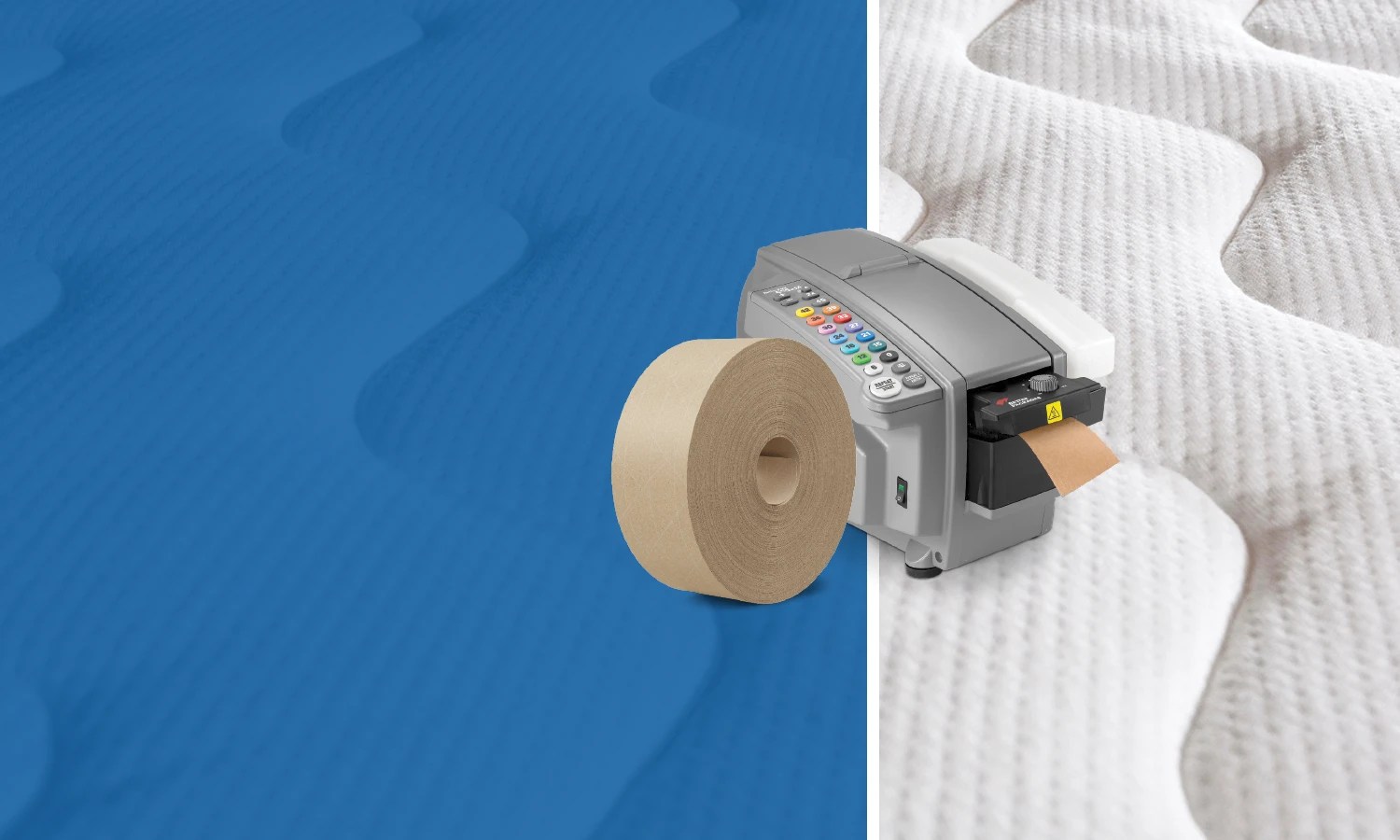
A premium U.S. mattress manufacturer sought a cleaner and more reliable way to reinforce packaging trays that support their high-end products.
The Challenge
The manufacture relied on stapled tray corners that not only looked unfinished, but also failed under real-world conditions. As mattresses slid into the tray, the corners bent, snagged, and broke down – creating durability issues, visual flaws, and an unboxing experience that didn’t match the premium product inside.
Proposed Solutions
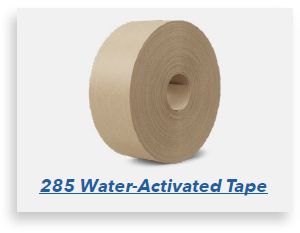
During a site visit that was focused on testing a double-coated tape, the IPG sales rep identified an opportunity to improve the customer’s packaging process with a reinforced water-activated tape (WAT). While the customer had always used staples, the visual and packaging time concerns were clear and the road for improvement was open. The customer was interested in the idea but was skeptical as they did not believe our tape could match the performance and speed of their current process utilizing staples!
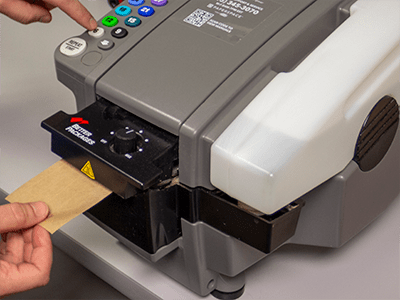
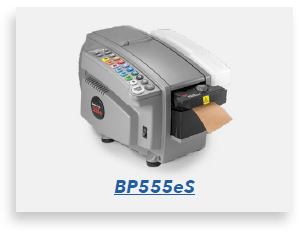
To establish a performance benchmark, the IPG sales rep timed their current process and found the team required roughly 30 to 40 seconds to assemble each tray using staples. Based on this baseline, IPG proposed a full trial using our 285 reinforced water-activated tape in conjunction with our BP555eS tabletop WAT dispenser. The goal was to demonstrate that 285 and our BPP555 system could meet and exceed the speed of staples while also providing improved strength and a cleaner, premium look.
Results
IPG returned with our reinforced 285 water-activated tape and a BP555eS WAT dispenser to conduct a live speed and performance trial. After a brief demonstration of the equipment, the customer tested the process using two 15-inch strips per corner. As each strip was dispensed, the next strip was immediately queued for use to maintain a smooth workflow. Their very first attempt resulted in a time of approximately 32 seconds per tray, immediately matching staple speed even without prior practice. With normal use and familiarity, faster application times were expected. After passing the speed test, the customer needed confirmation that the reinforced tape could withstand the stresses of real shipping. A packaged mattress was sent from Texas to Colorado and returned for inspection. The tray showed no damage, and the reinforcement strands in the tape remained fully intact. The strength, improved appearance, and efficient performance led the customer to proceed with the solution and place a purchase order for a full pallet of tape.
Conclusion
IPG successfully guided the customer away from an outdated stapling method to a cleaner, stronger, and equally efficient reinforcement process. In addition to performance and safety improvements, reinforced water-activated tape offers a far more sustainable solution than staples by reducing waste and supporting environmentally responsible packaging practices. This transition demonstrates water-activated tape as a superior, long-term packaging solution that aligns operational efficiency with sustainability goals.